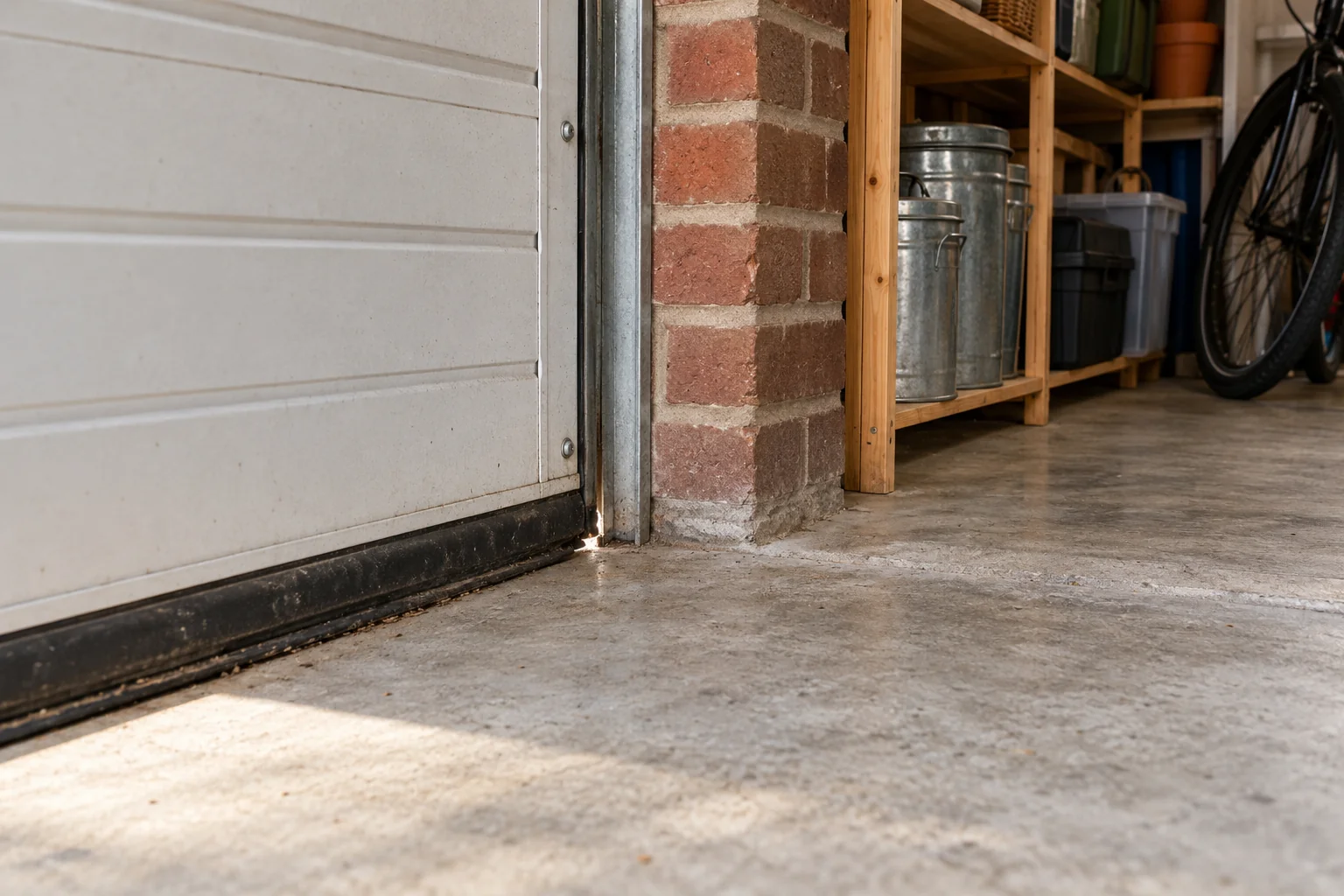
Inspect the edges, not just the open floor
Look behind stored boxes, around the base of shelving and beside the garage door. Check bird seed, pet food and other stored feed for gnawing. Compare any droppings to identify the likely animal. In an attached garage, inspect the doorway and service openings leading towards the house as well.
Make storage work for you
Put feed into sturdy lidded containers and clear spillages. Arrange stored items so you can see and reach the wall edges without moving everything each visit. Reducing clutter helps you find fresh signs and gives you practical places for a box that will not be knocked by bikes, tools or the car.
Use the active route for your setup
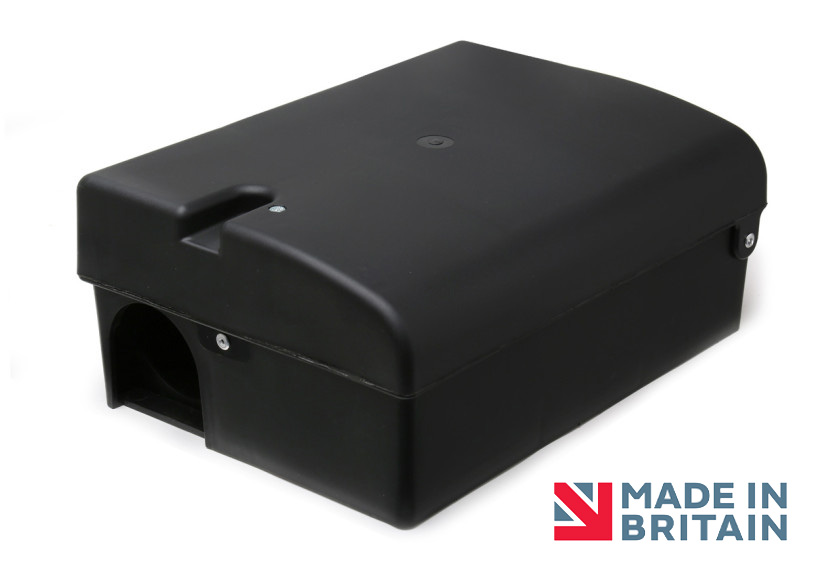
For confirmed rats or mice, choose a suitable snap trap and position it as instructed where the signs are appearing. Traps suit garages you visit daily and make catches easier to recover. Match the box to the pest and the trap: Rat Box for rats, Compact or Double Mouse Box for mice. Leave room to open and check it.
Choose for the signs you have found

Choose a trap made for rats.
Compare bait if trapping is not suitable
Amateur poison may be an alternative for an active infestation, but check the label for the animal and treatment location. A garage is not a reason to assume any bait can be used anywhere around the building. A suitable lockable station provides a protective barrier around the bait, helping prevent children, pets and wildlife from reaching it. Secure it as instructed and follow the required checks and treatment period.
Pay particular attention to the door
Look for a worn bottom seal, damaged corners and gaps where pipes cross the wall. Fit suitable rodent-resistant proofing and repair defects after active animals are cleared; keep necessary ventilation open. Keep notes of new droppings and catches. If signs continue despite a good setup, investigate the route from outside or the adjoining house.
Find the opening. Choose the repair.

Check where services pass through walls.
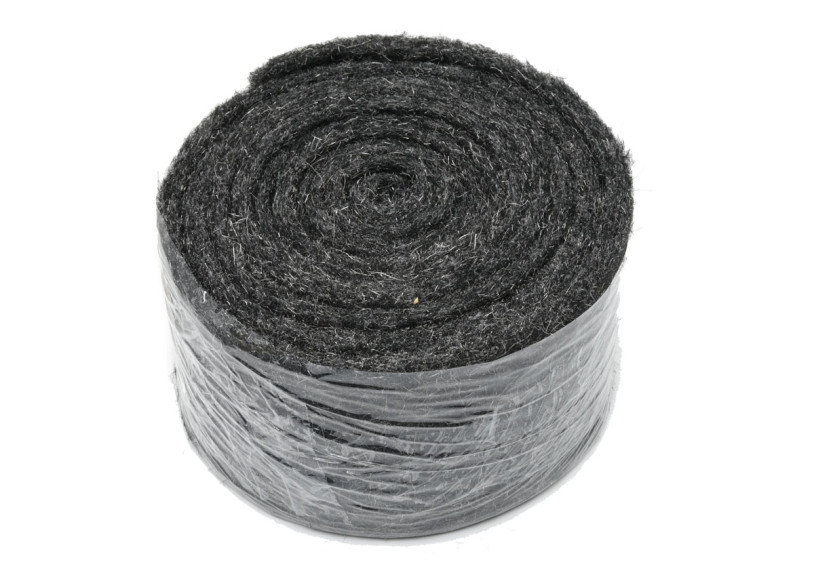
Cut and shape it for suitable gaps.