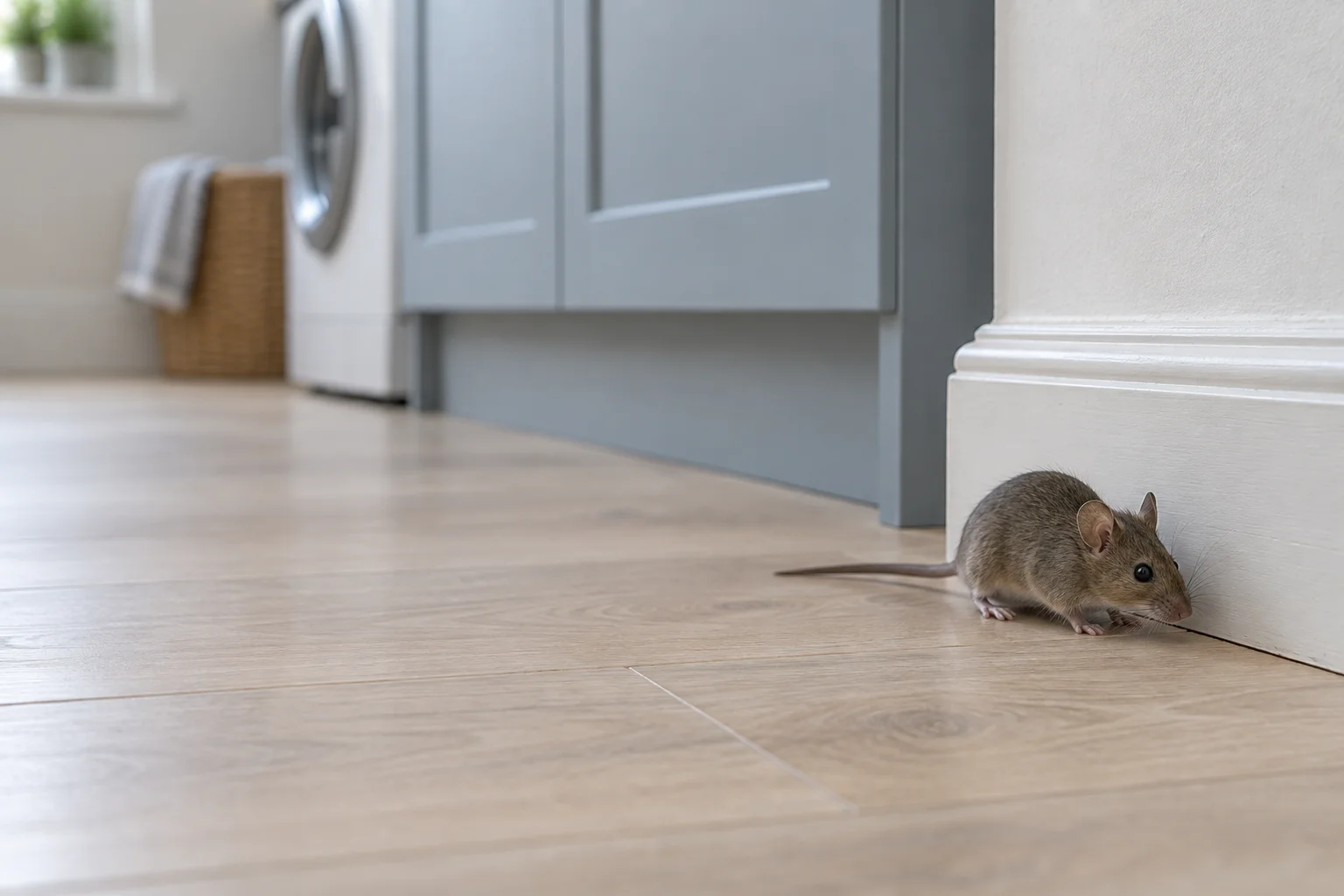
Start with a walk around the building
Check external doors, garage-door corners, pipe and cable openings, damaged brickwork and air bricks. Around a shed, inspect panels, the door and gaps at the base. Look for gnawing or dark rub marks near openings. Mice can use very small gaps, so do not dismiss an opening because a rat would not fit.
Match the repair to the gap
Repair damaged masonry with a suitable mortar repair. Where appropriate, use securely fixed metal mesh or purpose-made rodent-resistant materials around openings. Expanding foam alone is easy to gnaw through and is not a lasting rodent barrier. Fit an appropriate door seal or threshold and repair damaged timber rather than repeatedly filling the same chewed corner.
Keep the building working
Replace damaged air bricks or fit suitable metal mesh covers that retain the required airflow. Do not fill ventilation openings solid. Keep drain covers sound and drainage clear. For roof edges, gas flues, electrical services or a suspected drain fault, use the appropriate tradesperson so the repair protects the building as well as closing the route.
Time active entry-point repairs correctly
Plan proofing while you tackle the infestation, but do not simply seal animals into walls, a loft or beneath a shed. Confirm clearance before closing an occupied route; get help if you cannot tell. For unexplained roof activity, identify the animal first because bats and nesting birds need a different approach.
Remove the reasons to return
Keep food and feed in closed containers, clear spillages and manage bird-feeding waste. Reduce clutter around wall edges so future checks are quick. After treatment, look again at the original trouble spots for new droppings, gnawing or digging. If signs return, investigate the source and repair quality rather than leaving poison out as a permanent precaution.